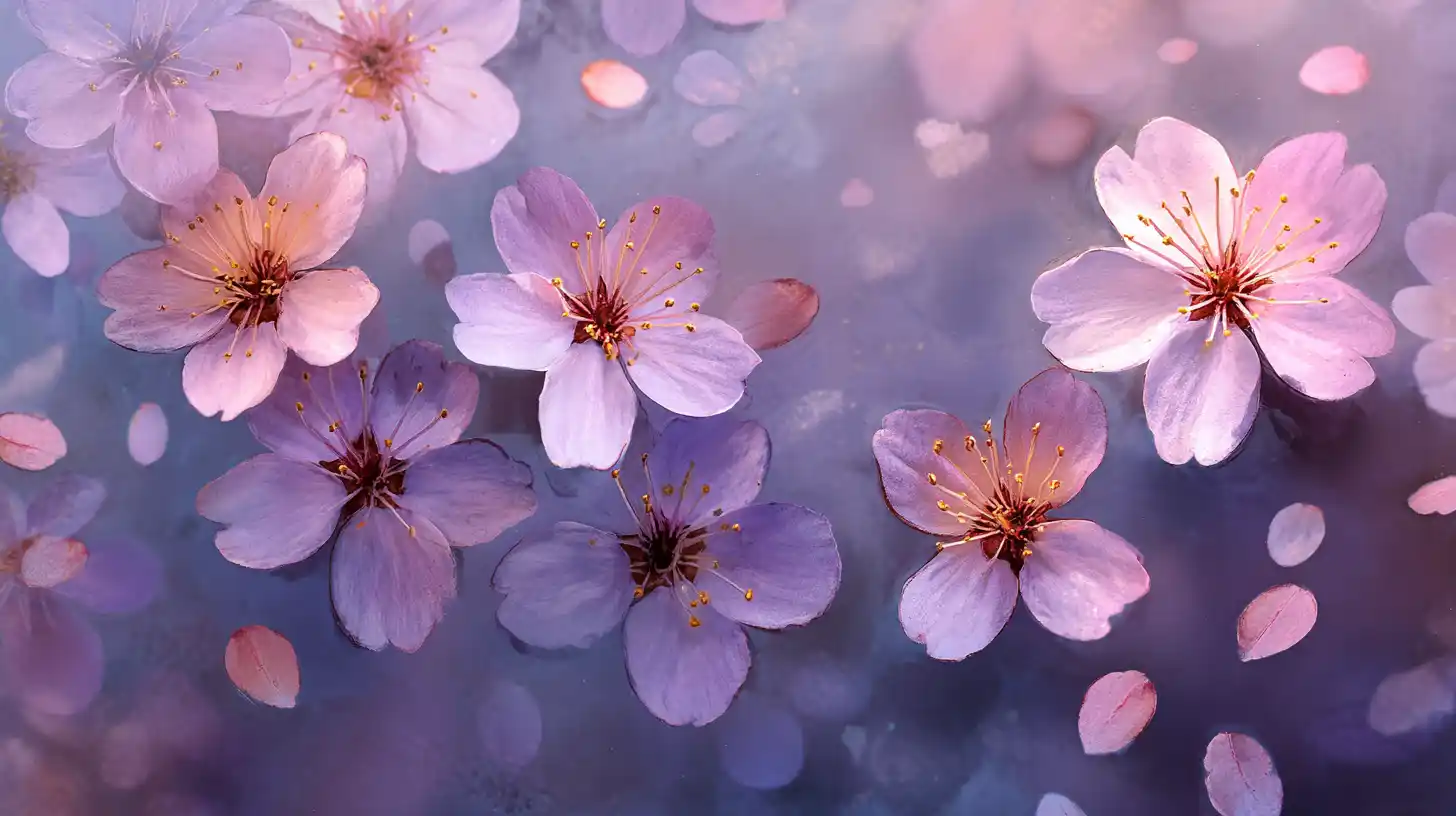
Japanese Wabi-Sabi Love: Finding Beauty in Imperfect Romance
The Japanese have a beautiful word for finding perfection in imperfection: wabi-sabi. This ancient philosophy teaches us that true beauty lies not in polished facades, but in the natural wear, gentle aging, and authentic flaws that make something uniquely precious. When I first learned about wabi-sabi love philosophy during my studies in Eastern wisdom, it revolutionized how I viewed not just aesthetics, but relationships themselves.
After 15+ years of reading birth charts and counseling couples, I've witnessed countless relationships crumble under the weight of perfectionist expectations. We chase Instagram-worthy romance, flawless communication, and partners who check every box on our impossible lists. Meanwhile, wabi-sabi whispers a different truth: the most profound love stories are written in the spaces between our imperfections.
What Is Wabi-Sabi Love?
Wabi-sabi emerged from Japanese tea ceremony culture, where masters deliberately chose chipped bowls and asymmetrical arrangements to honor the transient nature of beauty. In relationships, this translates to a radical acceptance of your partner's—and your own—human limitations.
Unlike Western relationship advice that often focuses on "fixing" problems or finding "the perfect match," Japanese relationship wisdom through wabi-sabi teaches us to find beauty in:
- Your partner's slightly crooked smile that appears when they're truly happy
- The way they leave coffee rings on the table because they're too absorbed in morning conversations with you
- How they stumble over words when trying to express something deeply meaningful
- The gentle lines around their eyes that map every laugh you've shared
This isn't about settling or lowering standards. It's about recognizing that perfection is an illusion that prevents us from seeing the exquisite humanity in front of us.
The Western Trap: Perfection as the Enemy of Love
Sarah came to me last year, frustrated after three failed relationships. "I keep finding dealbreakers," she confided. "He left dishes in the sink. She was always five minutes late. He used the wrong 'there' in texts."
What struck me wasn't these specific complaints, but the underlying assumption: that love should be friction-free, that incompatibilities meant incompatibility. Western culture trains us to see relationships as consumer choices—if this model has flaws, exchange it for a better one.
But here's what I've learned from studying Eastern wisdom: the couples in my practice who've built lasting, deeply satisfying partnerships aren't the ones who found their "perfect match." They're the ones who learned to love imperfectly, completely, and with wabi-sabi's gentle acceptance.
## Why Do We Fear Imperfection in Love?
Our resistance to accepting imperfection in love often stems from deeper fears about our own worthiness. If we accept a partner's flaws, does that mean we're settling? If we show our own imperfections, will we be rejected?
The Stanford Center for Compassion and Altruism Research found that couples who practice self-compassion—a cornerstone of wabi-sabi thinking—report 23% higher relationship satisfaction than those caught in perfectionist cycles. When we stop demanding perfection from ourselves, we naturally extend that grace to our partners.
In my consultations, I often see this pattern: women who've embraced wabi-sabi principles in other life areas (career setbacks, body image, friendships) but still approach romance with rigid expectations. The disconnect creates internal tension that sabotages the very connection they're seeking.
What Men Secretly Crave
Discover the one thing men desperately want from a woman — but would never tell you. Thousands of women have transformed their relationships with this insight.
The Five Principles of Wabi-Sabi Love
1. Mono no Aware: The Bittersweet Beauty of Transience
This Japanese concept acknowledges that everything—including relationships—is temporary and ever-changing. Rather than clinging desperately to how things "used to be," wabi-sabi love finds beauty in relationship seasons.
The honeymoon phase will end. That's not failure; it's natural progression. The deeper intimacy that replaces initial passion isn't lesser—it's different, like comparing spring cherry blossoms to autumn maple leaves. Both have their own irreplaceable beauty.
I remember consulting with Maria, married 12 years, who was devastated that she and her husband no longer stayed up until 2 AM talking like they did when dating. "We're becoming boring," she worried. But when we explored their current connection—the comfortable silences, the way he brought her tea without being asked, their shared glances during their daughter's soccer games—she began to see a different kind of beauty. Not lesser. Deeper.
2. Kanso: The Power of Simplicity
Wabi-sabi strips away the unnecessary to reveal essential beauty. In relationships, this means releasing the elaborate expectations and focusing on simple, authentic connection.
Instead of needing grand romantic gestures, you find profound love in how your partner remembers you prefer your coffee slightly cooler, or the way they text you random thoughts throughout their day. Accepting imperfection in love often means appreciating these small, consistent acts of care over dramatic declarations.
3. Shizen: Naturalness Without Pretense
The most beautiful gardens aren't perfectly manicured—they're the ones where wildflowers grow through planned arrangements. Similarly, the most beautiful relationships happen when both people can be completely authentic.
This means showing up without makeup sometimes. Admitting when you're wrong. Laughing too loud at bad jokes. Being grumpy before morning coffee. Japanese relationship wisdom suggests that when we stop performing perfection, we create space for genuine intimacy.
4. Koko: The Beauty of Weathered Experiences
Just as an old wooden temple gains character from decades of weather, relationships become more beautiful through shared challenges. The argument you weathered together, the loss you grieved side by side, the dreams you've had to adjust—these aren't relationship failures. They're the patina that makes your love uniquely precious.
I've worked with couples who tried to erase conflict from their history, as if acknowledging past struggles somehow diminished their current happiness. But wabi-sabi teaches us that scars are proof of survival, not shame.
5. Seijaku: Finding Peace in Imperfection
Perhaps the most radical aspect of wabi-sabi love philosophy is learning to find peace—not just tolerance, but genuine serenity—with your partner's unchangeable qualities.
This doesn't mean accepting harmful behavior or abandoning healthy boundaries. It means recognizing the difference between character traits and character flaws. Your partner's tendency to get lost in projects for hours isn't a personal slight—it's part of their unique way of engaging with the world.
How Wabi-Sabi Transforms Daily Relationship Dynamics
Releasing the Pressure to "Fix" Everything
Western relationship culture often treats partnerships like home improvement projects. There's always something that needs upgrading, optimizing, or fixing. Wabi-sabi love suggests a different approach: what if some things don't need to be fixed?
Take communication styles. Traditional advice might push an introverted partner to become more verbally expressive, or coach an emotional partner to be more "logical." Wabi-sabi asks: what if their different communication styles create beautiful complexity rather than problems to solve?
I've watched couples spend years in therapy trying to make their partner more like them, when the real breakthrough came from appreciating their differences as complementary rather than conflicting.
Embracing Asymmetrical Love
Perfect relationships don't exist in nature—and they shouldn't. Sometimes you'll love more intensely than you're loved back. Other times, your partner will carry more emotional weight. This ebb and flow isn't relationship failure; it's the natural rhythm of human connection.
Wabi-sabi love finds beauty in these imbalances, recognizing that attempting to maintain perfect equilibrium creates exhausting scorekeeping rather than authentic intimacy.
## What About Red Flags vs. Natural Imperfections?
Here's where accepting imperfection in love requires wisdom. Wabi-sabi doesn't mean tolerating disrespect, dishonesty, or harm. The philosophy celebrates natural human imperfections, not toxic behaviors.
Natural imperfections enhance character:
- Quirky habits and preferences
- Different paces and processing styles
- Varying emotional expressions
- Unique ways of showing care
- Personal insecurities and growth areas
Red flags damage relationships:
- Consistent disregard for boundaries
- Emotional manipulation or abuse
- Substance abuse issues
- Unwillingness to take responsibility
- Patterns of deception
The key difference? Natural imperfections invite deeper understanding and connection. Red flags require serious boundaries and often professional intervention.
Practicing Wabi-Sabi in Your Current Relationship
Start with Self-Acceptance
You can't offer authentic love for your partner's imperfections if you're constantly battling your own. Begin by practicing wabi-sabi toward yourself. Notice your tendency toward self-criticism and gently redirect that energy toward self-compassion.
When you catch yourself thinking "I should be more/less..." try reframing: "I am learning to..." or "I am growing in the area of..." This subtle shift creates space for growth without the violence of self-judgment.
Create Rituals of Appreciation
Develop small, consistent practices that honor your partner's unique humanity:
- Keep a mental note of one imperfect thing that made you smile each day
- Express gratitude for qualities you once might have wanted to change
- Share stories about how their quirks have enriched your life
- Create photo collections that capture real moments, not just perfect ones
Practice "Soft Eyes"
This Buddhist meditation technique involves literally softening your gaze when looking at your partner. Instead of scanning for problems or imperfections to judge, you allow your vision to take in their whole presence with gentle acceptance.
Try this during ordinary moments—when they're concentrating on work, making breakfast, or telling you about their day. Notice how shifting your gaze changes your entire energetic experience of them.
The Unexpected Gifts of Wabi-Sabi Love
Deeper Intimacy Through Vulnerability
When you stop hiding your imperfections and stop judging your partner's, something magical happens: real intimacy becomes possible. The energy you've been spending on maintaining perfect facades gets redirected into genuine connection.
Reduced Relationship Anxiety
Much relationship anxiety stems from the exhausting effort of trying to control how your partner thinks, feels, or behaves. Wabi-sabi love philosophy offers profound relief: you're not responsible for your partner's perfection, and they're not responsible for yours.
Sustainable Long-Term Love
Perfectionist love is ultimately unsustainable because it depends on maintaining illusions. Wabi-sabi love grows stronger over time because it's built on accepting reality rather than chasing fantasies.
The couples I've worked with who truly embody these principles report something beautiful: they feel more in love at year ten than year one, not despite their imperfections, but because they've learned to find beauty in them.
Frequently Asked Questions
Does wabi-sabi love mean I should never work on relationship issues?
Not at all. Wabi-sabi distinguishes between growth opportunities and fundamental acceptance. Working together on communication patterns, shared goals, or conflict resolution skills honors your relationship. Trying to change your partner's core personality traits or natural way of being creates suffering. The key is discerning which is which.
How do I know if I'm settling or practicing healthy acceptance?
Settling feels heavy, resigned, and often comes with resentment. Wabi-sabi acceptance feels peaceful and appreciative, even when acknowledging real limitations. If you find yourself thinking "I guess this is the best I can do," that's settling. If you think "I love this person completely, including their imperfections," that's wabi-sabi love.
Can wabi-sabi principles work in new relationships or just long-term ones?
Japanese relationship wisdom actually suggests starting with wabi-sabi from the beginning creates stronger foundations. When you approach dating and early relationship stages with acceptance rather than perfectionist expectations, you allow authentic connection to develop more naturally. This doesn't mean ignoring compatibility issues—it means seeing your potential partner clearly rather than through the filter of impossible standards.
What Men Secretly Crave
Discover the one thing men desperately want from a woman — but would never tell you. Thousands of women have transformed their relationships with this insight.
Learn His Secret →Want to know what your birth chart says?
Chat with AI coaches trained in Korean Saju astrology. Love, career, daily life, or life direction, each one reads your birth chart and gives advice just for you.
Chat for free — 5 messages dailyNo sign-up needed to start
Your birth chart has more to say.
Love, career, timing, purpose — ask anything.
5 questions free · No sign-up needed